
Does your cat have a rounder belly, fading waistline, or less enthusiasm for jumping? Feline weight gain often happens little by little, which makes gradual changes easy to overlook. For cat owners in The Colony, regularly watching body shape, eating habits, and activity provides a useful way to notice changes. When your cat starts looking heavier, a veterinary visit provides an opportunity to assess weight and explore possible reasons behind the change.
How Extra Weight May Affect Feline Wellness
Carrying excess body fat puts additional stress on a cat’s joints and may make jumping, grooming, or playing more difficult. An overweight cat may face greater risk for diabetes, arthritis, urinary concerns, and other health problems. Reduced mobility may affect quality of life, particularly as a cat gets older. Recognizing weight changes early gives your veterinarian an opportunity to evaluate overall health and discuss an appropriate weight-management strategy.
Why Your Cat May Be Gaining Weight
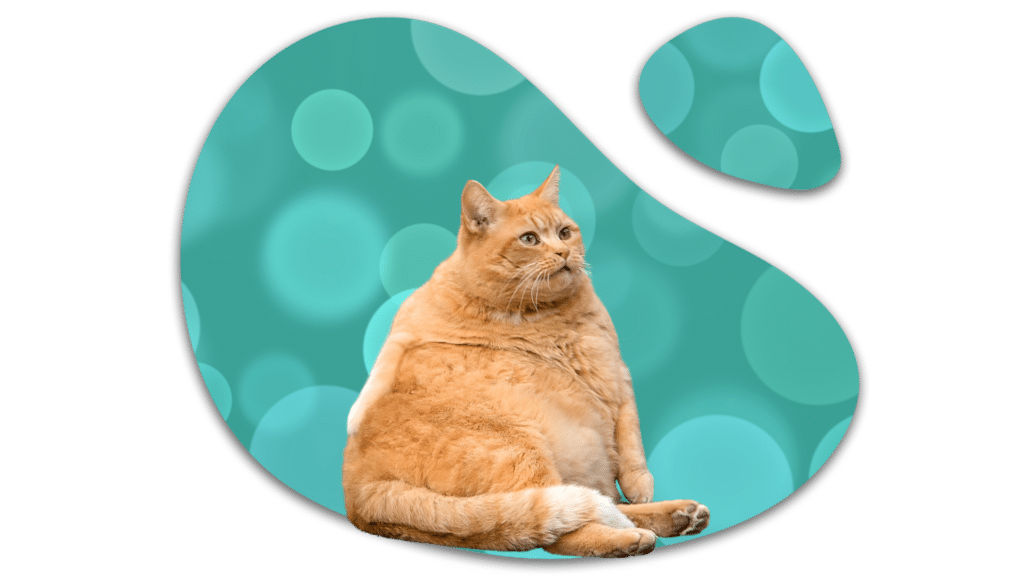
Too many calories are a frequent contributor to feline weight gain, particularly when portions are too large or treats add significantly to daily intake. Lower activity levels may contribute when an indoor cat spends more time resting than moving or playing. Age, metabolism, and spay or neuter status may influence energy requirements as well. Certain medical conditions or medications may contribute to weight changes, making unexplained weight gain an important topic for a veterinary visit.
Look Beyond the Number on the Scale
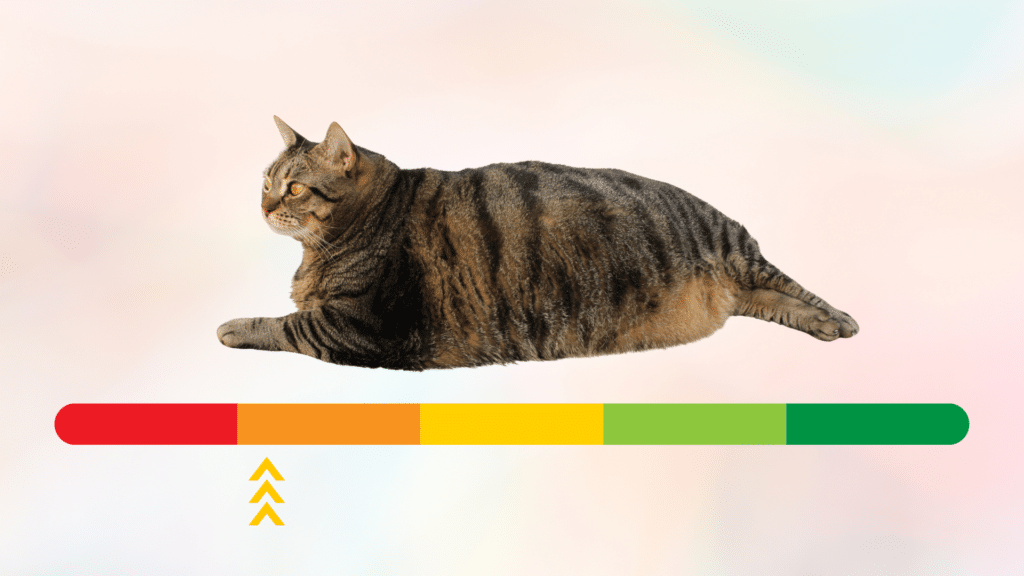
Body shape provides valuable information alongside your cat’s actual weight. Viewed from above, a cat at a healthy weight generally has some definition behind the ribs, while gentle touch should make the ribs noticeable beneath a light layer of tissue. A rounded shape, disappearing waistline, or ribs that are difficult to feel may indicate an overweight cat. Review this at-home scoring chart for cats as a visual reference, then discuss your observations with your veterinarian for an individual assessment.
Bring New Weight Changes to Your Veterinarian
Schedule a veterinary appointment at The Colony Animal Clinic when your cat begins gaining weight, especially when the change is sudden or occurs alongside differences in appetite, thirst, grooming, activity, or litter box habits. A veterinarian will evaluate body condition, diet, treat intake, activity, medications, and relevant health concerns before discussing an appropriate approach.
Three Ways to Approach Weight Changes Wisely
- Avoid severe food restriction or crash diets, since rapid weight loss in cats carries serious health risks.
- Measure meals and treats consistently so daily portions are easier to track and discuss during veterinary visits.
- Speak with your veterinarian before making major feeding changes rather than following general diet advice found online.
Personalized Weight Guidance for Local Cats in The Colony, TX
The Colony Animal Clinic serves cat owners from The Colony, Castle Hills, Frisco, and Plano with veterinary care for cats and dogs. If you are concerned about an overweight cat, nutritional counseling and a veterinary evaluation offer an opportunity to review body condition, diet, weight trends, and overall wellness. Schedule an appointment to discuss your cat’s recent weight gain or nutrition.