
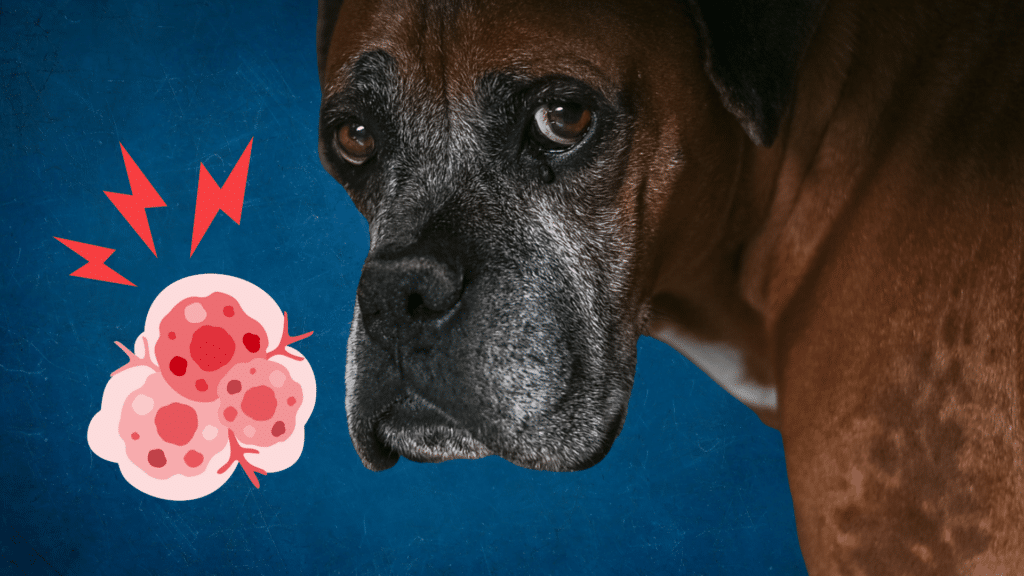
A bump you notice while scratching your dog’s belly can leave you wondering what that lump is. Although cancer in dogs is one possible explanation, a new lump can have several causes. Getting your dog examined at The Colony Animal Clinic gives you a clearer answer than comparing pictures online or waiting for the lump to change. If you are a dog owner in The Colony, TX, tell us what you have noticed so we can discuss what’s next.
Does Every Dog Lump Mean Cancer?
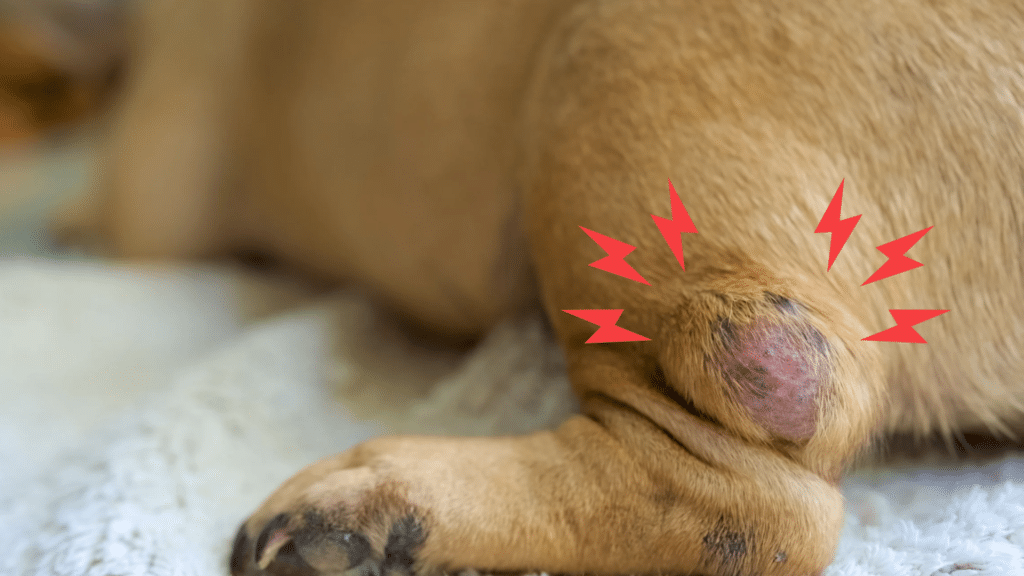
A lump may be a fatty growth, a cyst, inflammation, or a cancerous tumor. Cancer in dogs becomes more likely with advancing age, and certain breeds have a higher risk of particular cancers. However, neither a dog’s age nor breed tells us whether a growth is dangerous. About one in four dogs develops cancer during their lifetime. Even a small, soft, or slow-growing bump should be looked at by a veterinarian.
Changes That Deserve a Closer Look
Possible signs of cancer in dogs extend beyond a new bump beneath the fur. Weight loss, difficulty breathing, sores that do not heal, unusual bleeding from the mouth or other body openings, unexplained lethargy, stiffness, and changes in appetite all warrant a conversation with your veterinarian.
These changes can occur with other illnesses, so they do not establish a cancer diagnosis on their own. A full picture of your pet’s health will need to be determined.
What Happens When a Veterinarian Checks a Mass?
When you call The Colony Animal Clinic about a lump, please describe its location, when you first noticed it, and whether it has changed. During the visit, your veterinarian will examine your dog and discuss any other changes in health or behavior. A biopsy of the lump might be needed. Blood tests or imaging may also be recommended to assess overall health or investigate concerns beneath the skin.
Make Skin Checks Part of Your Dog’s Routine
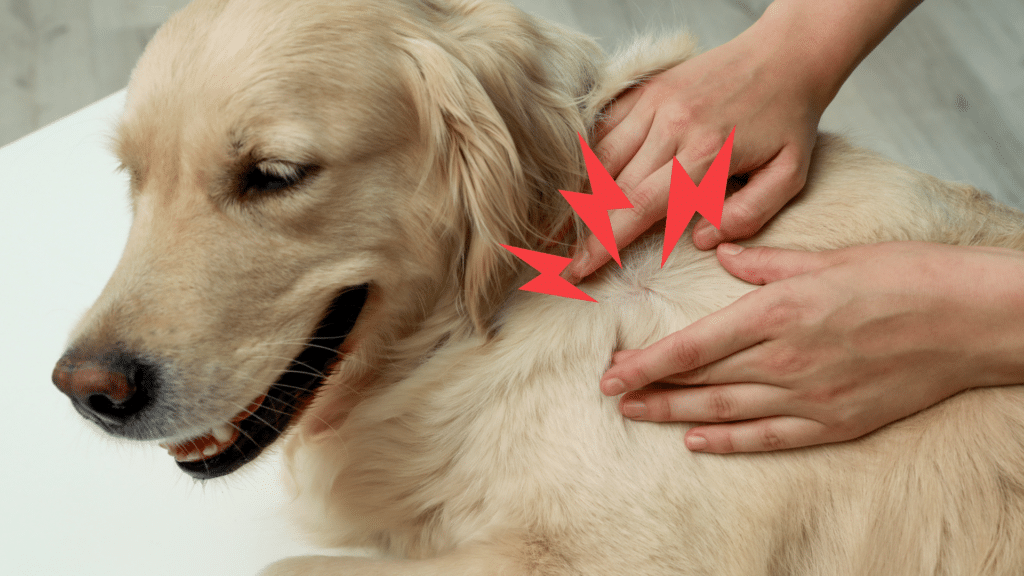
Quiet moments at home offer an opportunity to become familiar with your dog’s usual shape and skin. Gently run your hands over the head, neck, chest, belly, legs, and tail, paying attention to areas hidden by thick fur. Take a look inside their mouth for new growths or sores along the gums. Keep a photo or brief note about any change, especially as your dog gets older, and share it with your veterinarian.
Some Cancers Have No Visible Lump
Certain forms of cancer in dogs affect internal organs, blood, or other tissues without producing a bump you can see or feel. Persistent vomiting, reduced stamina, weight changes, or an ongoing loss of appetite still deserve veterinary evaluation. Do not wait for a visible mass before reporting symptoms that continue or worsen. Tracking when these changes began gives your veterinarian useful context.
Have a New Lump Checked by Your Local Veterinarian in The Colony, TX
Finding a lump does not mean you should expect the worst, but arranging an exam with a vet is a good idea. Our veterinarians welcome dogs from The Colony, Castle Hills, and Frisco, with same-day and drop-off appointments available.
To discuss a new growth or another concern, contact our team. If testing identifies cancer, we can explain the findings and discuss next steps with you so you can make informed decisions about your dog’s care.